
The Man Who Finds Tomorrow's Stars: Mukesh Chhabra and the Art of Casting
Every audience remembers the faces on screen. Mukesh Chhabra is the person who put them there.
When Mukesh Chhabra was a teenager in Delhi, he wanted to play cricket. A cricket kit was expensive, and his middle-class family could not stretch to it. So his father steered him to theatre, saying plays were cheap to watch and you learn something every time. That small decision shaped Bollywood. Chhabra attended summer workshops at the National School of Drama, later earned an acting diploma, and discovered that he did not want to be the actor. He wanted to learn how a film is put together.
He began as an assistant, helping with casting on Rang De Basanti, and moved to Mumbai in 2007. He shared a small flat with six other people and took casting work on modest films like Chintuji. At that time, casting directors were barely a concept in Hindi cinema. Assistant directors usually handled it, and a casting director's name, if it appeared at all, was buried in the end credits.
The break that changed the job
Anurag Kashyap's Gangs of Wasseypur (2012) changed that. Chhabra cast 384 people for it and earned his first opening credit as casting director. Today he has more than 300 films behind him and about a hundred people on his team in a three-storey Versova office. He was the first casting director to set up as a company, the Mukesh Chhabra Casting Company.
How the system works
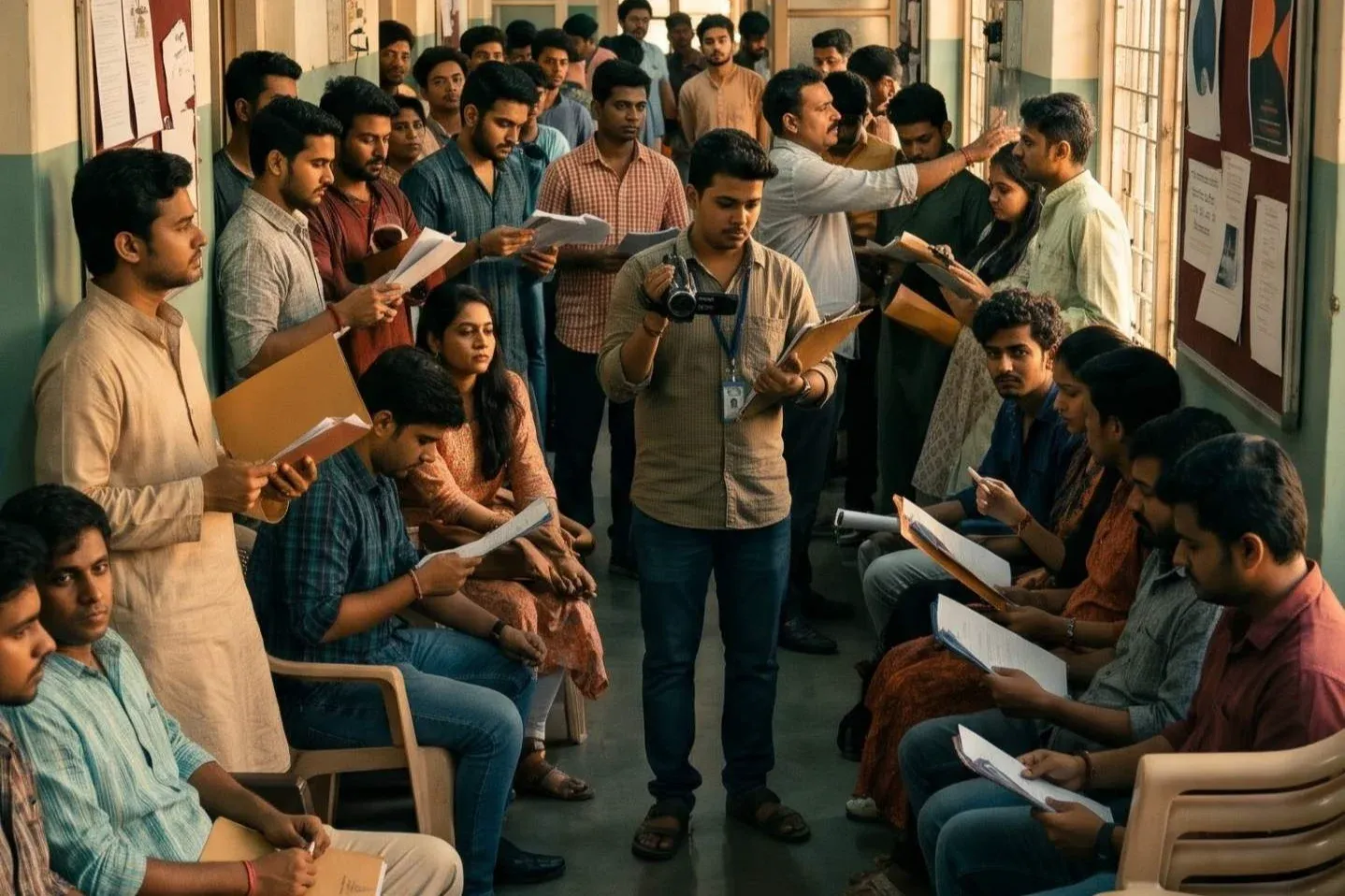
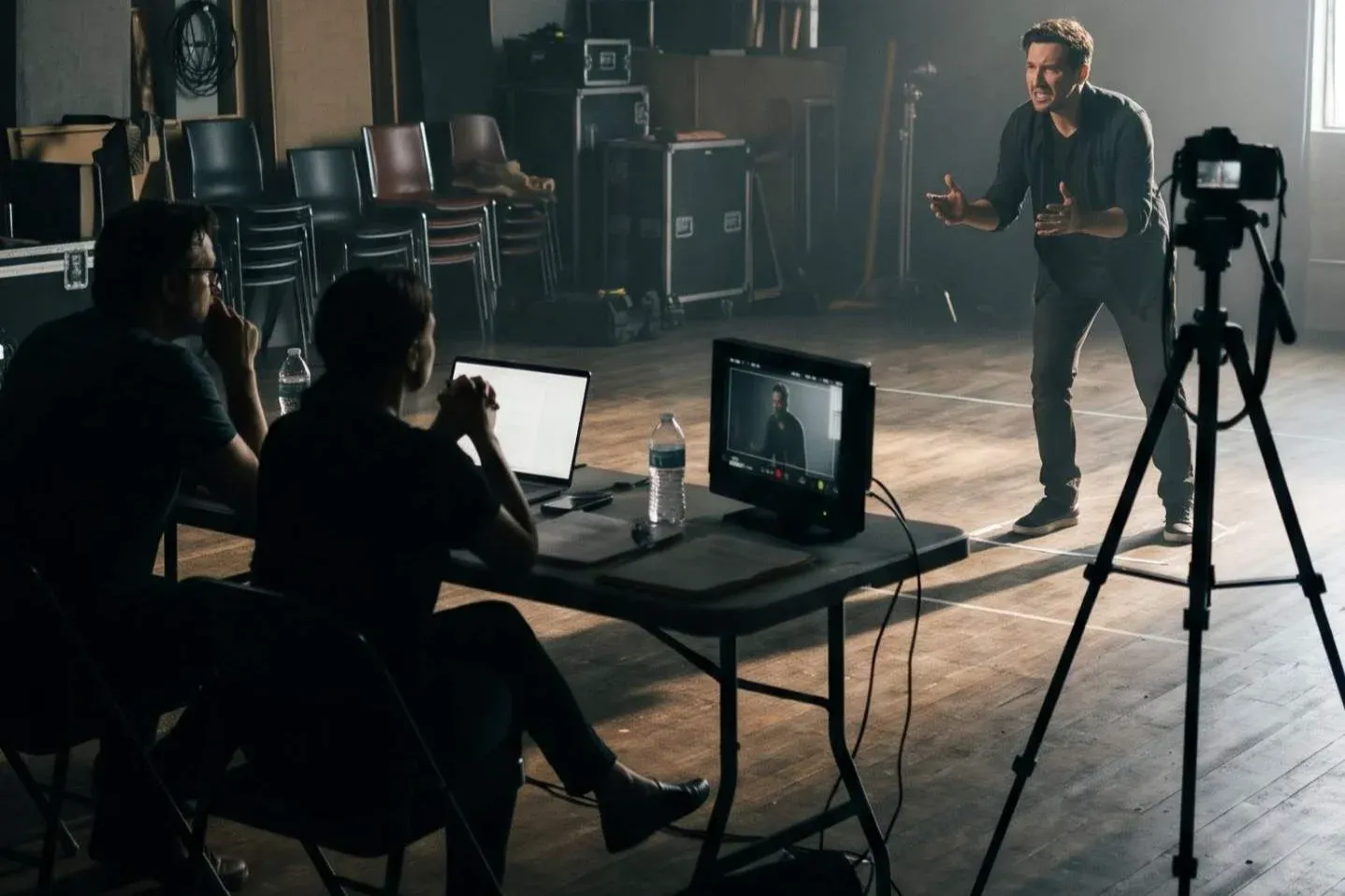
His process is far more disciplined than the word "instinct" suggests. Hopefuls arrive at his office and are filmed on a handycam holding a slate with their name, age, languages, experience and contact details. Each person gets about a minute to introduce themselves. Everything goes into a database. When a role comes up, hundreds, sometimes thousands, are called for quick auditions, a handful are shortlisted, and one or two are chosen. For some films the search takes up to two years. His team also keeps folders of real people such as paanwallahs, rickshaw drivers and children, because he believes a supporting cast of real faces is more convincing.
The discoveries
The names he has helped launch or backed read like a who's who of today's Hindi cinema: Rajkummar Rao, Vicky Kaushal, Sushant Singh Rajput, Fatima Sana Shaikh, Sanya Malhotra, Mrunal Thakur, Vijay Varma, Jaideep Ahlawat. He spotted Sharib Hashmi at a screening years before casting him in The Family Man. He took on the scale of Atlee's Jawan, with more than 150 actors and eight assistants each handling a group of ten. Most of those he has launched are outsiders. He says he has cast very few star kids, because they do not need him.
Rejection is part of the job
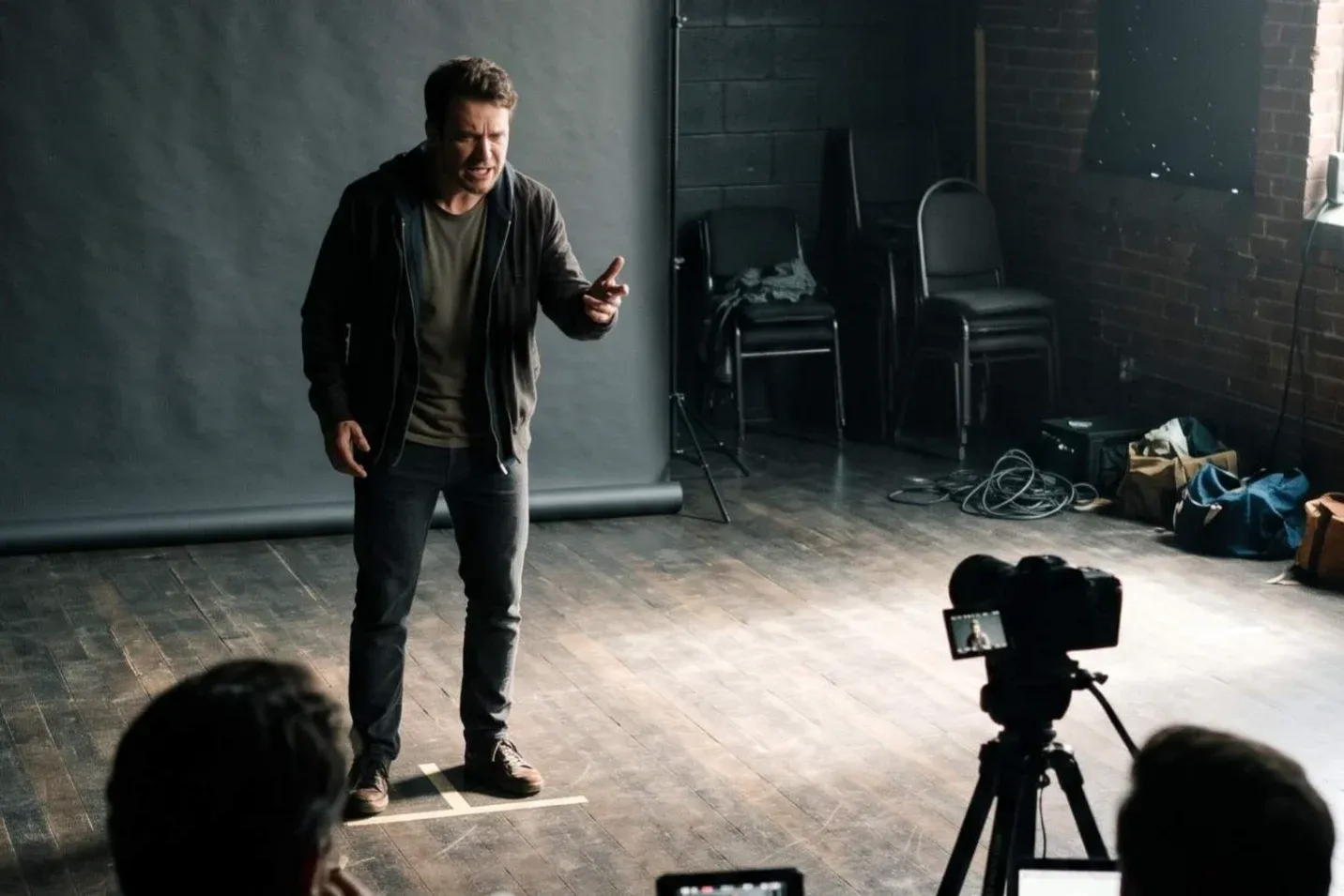
His own stories carry the lesson best. Mrunal Thakur was shortlisted for Dangal but did not get it. Chhabra remembered her, and she debuted in Super 30. Theatre actor Gagandev Riar failed his first audition for Scam 2003, went back to study the character for three days, and returned to win the role. Rejection, in Chhabra's world, is often just the first audition.
What he tells newcomers
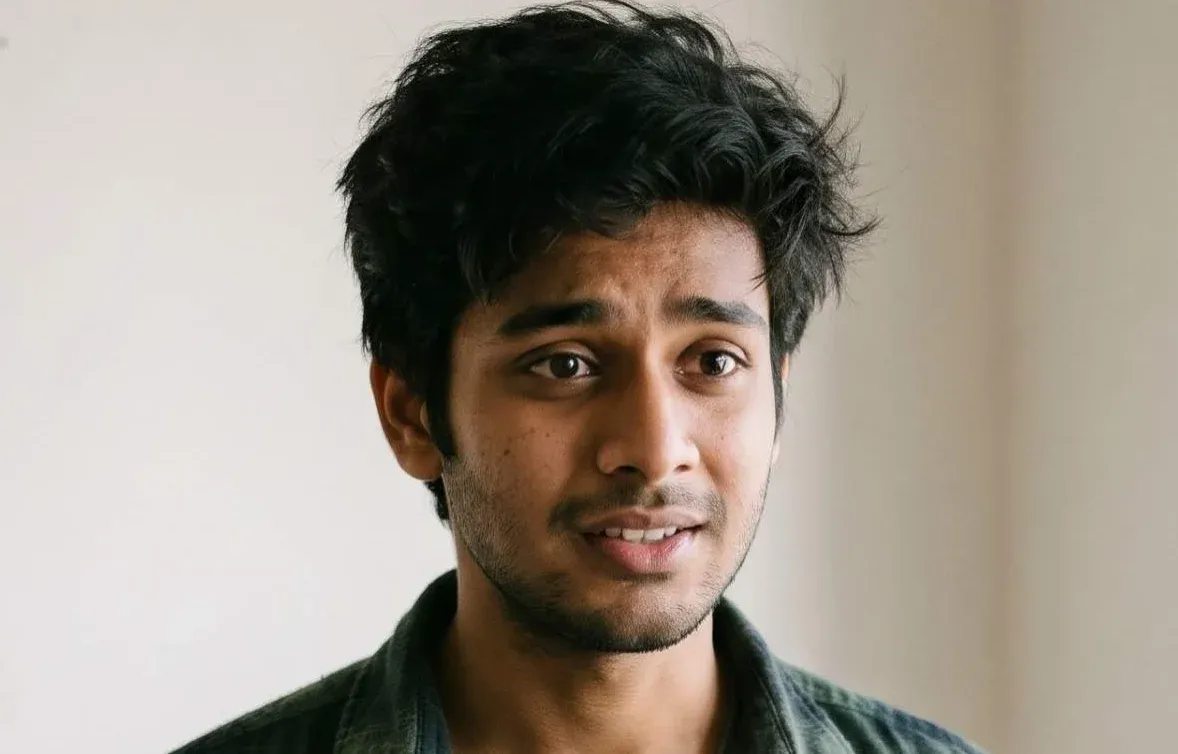
His advice is simple and refreshing. Be as normal as possible. A good actor needs nothing more than a passport-size photo, because people tire of beauty within half an hour but remember a performance forever. He travels across India to acting and dance schools because the more new talent he meets, the better his work gets. And he says that despite his success, he still feels insecure about his next casting, a habit he credits to his upbringing.
Beyond the casting couch
He has also stepped into direction with Dil Bechara (2020), starring Sushant Singh Rajput, whom he had first spotted while casting Kai Po Che!. He has opened a Delhi office and speaks of setting up in more cities, even London. His recent work includes Dhurandhar: The Revenge and Nitesh Tiwari's Ramayana.
The takeaway for every artist
A casting director's database has room for everyone, but only for those who show up, stay ready and keep coming back. The route to being noticed is rarely a famous surname. It is a clear introduction, a real performance, and the patience to audition again.