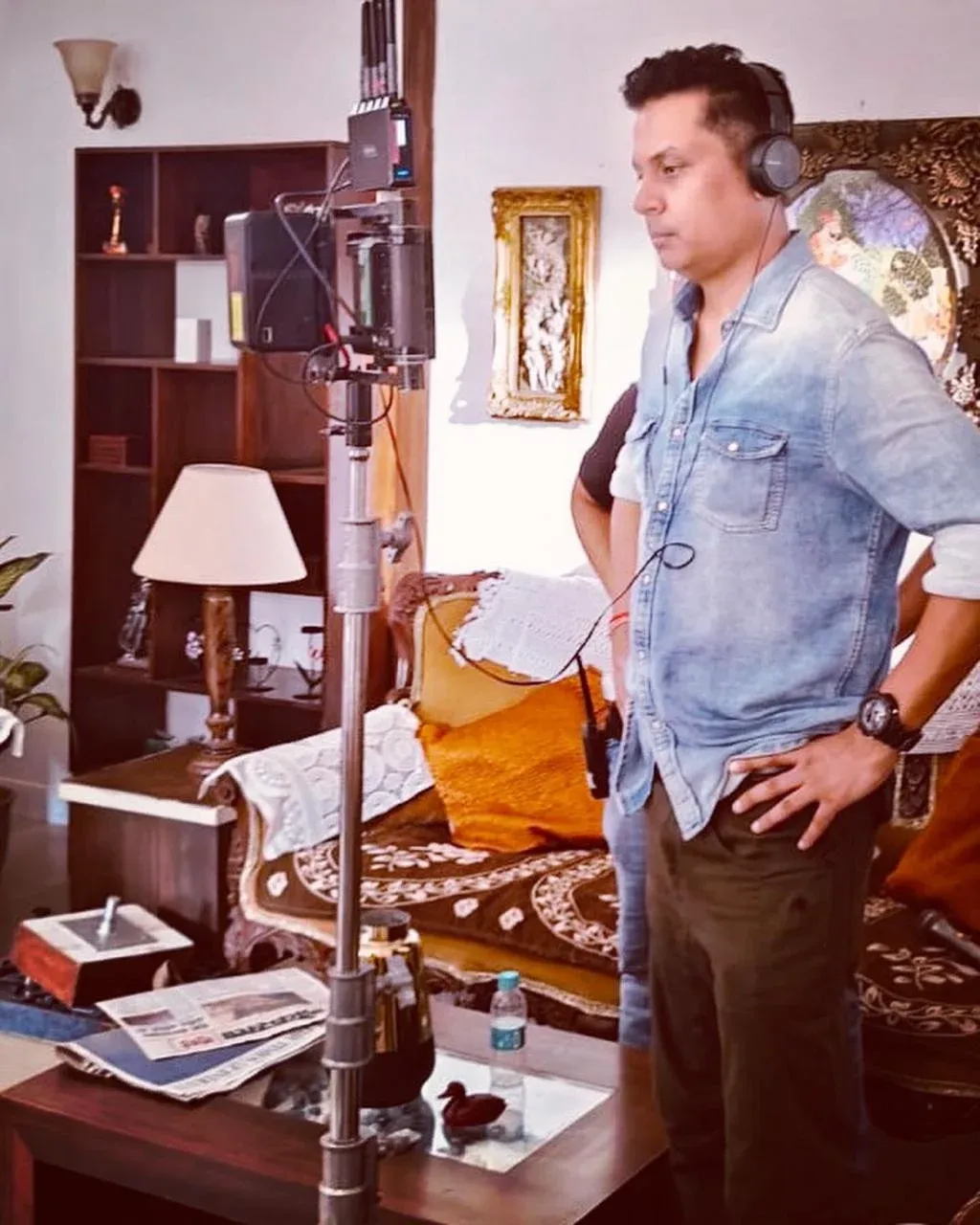
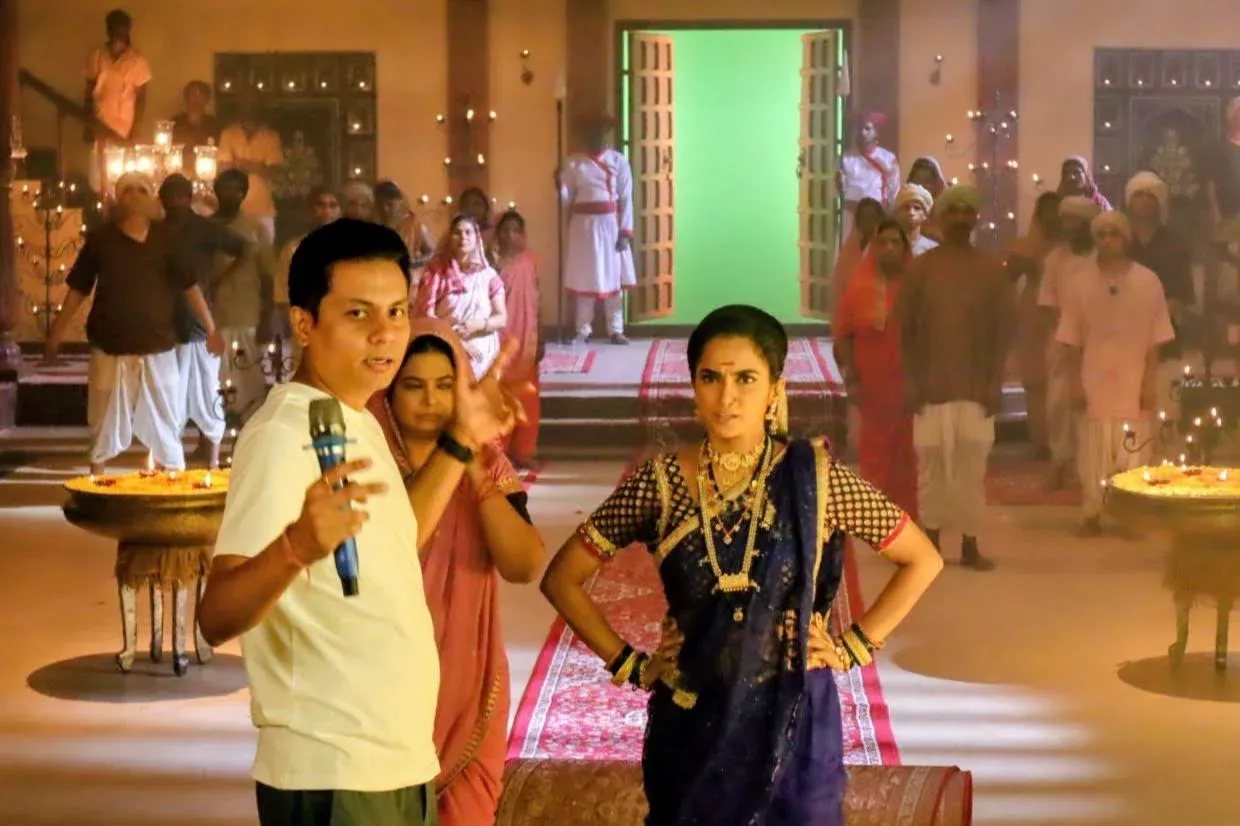
From Jaipur's Single Screens to Aakhaar Films: Abhishek Singh Chaauhan on Stories, Stars and Staying Prepared
He arrived in Mumbai by train more than two decades ago with a small dream and a big fascination for cinema. Today, Abhishek Singh Chaauhan, founder of Aakhaar Films, has worked at Star, Sony, Endemol and ALTBalaji, and is now stepping out to tell his own stories. In this conversation, he talks about his first break, the real difference between television and OTT, how casting decisions are actually made, and the mistakes he sees newcomers make again and again.
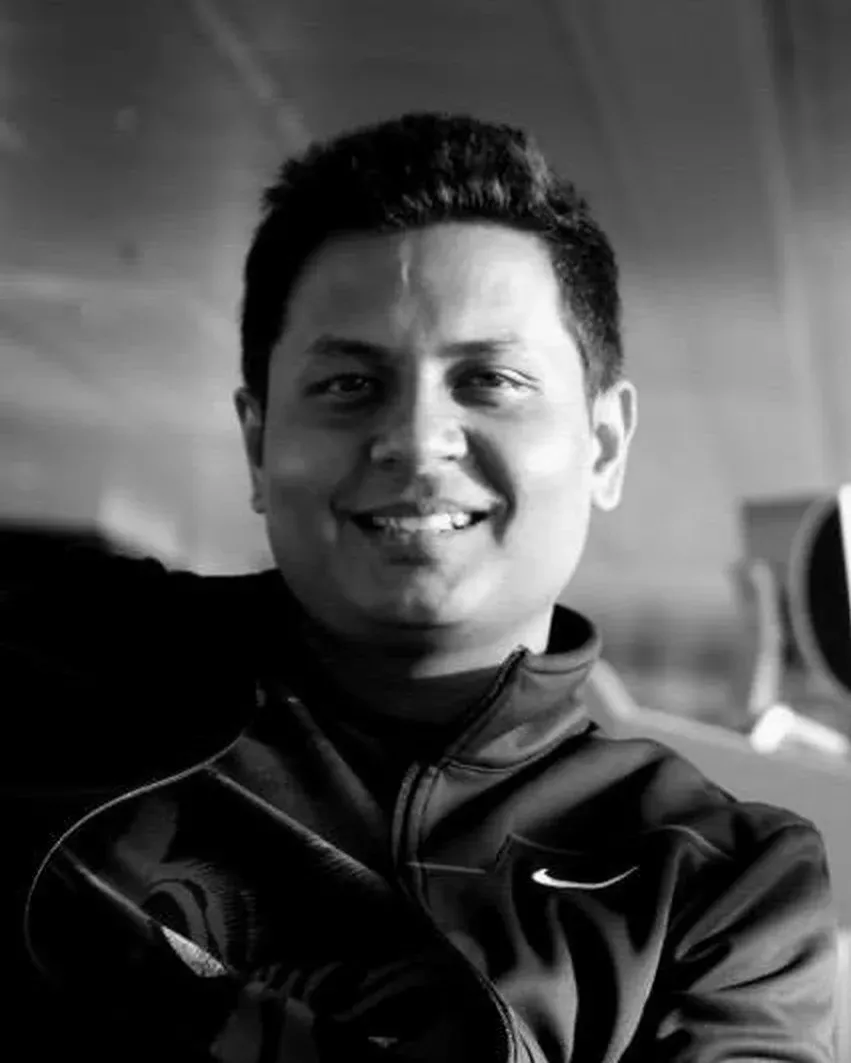
A boy from Jaipur with a window to cinema
Abhishek grew up in Jaipur, a small town of single-screen cinemas, and that is where his love for films began. Cinema ran in the family, too. His father had dreamed of becoming an actor and had even secured a place at FTII in the same batch as the late Om Puri. But the family, with a police background, did not let him go. So when Abhishek told his father he wanted to work in films and media, the answer was a happy yes.
He came to Mumbai and studied at Xavier's Institute of Communications (XIC). His first job was at a small production house, where he joined as an associate producer. The team made music videos and film trailers, and his first small piece of film work was the trailer of Farhan Akhtar's Don. "That is where I first got my hands dirty," he recalls. "I got an idea of how films work and how trailers are made."
Learning the craft
Those early years were spent as an assistant on music videos and small ads. Then came the meeting that shaped his career: Suresh Triveni, who became his first boss in Mumbai and, in Abhishek's words, "my first mentor, my guide." Working under Triveni, then a supervising producer in television, he learned the art of the job, and it was Triveni who pushed him to write, telling him that he wrote well and thought well.
He began writing short interstitials for television and worked on shows for the channel Filmy TV. After a stint at Face Entertainment, working on non-fiction shows, he got his first big break at Star, joining the promos team. The short-format team was a deliberate choice: he had come to Mumbai to become a filmmaker, and this was a step toward directing. He spent about seven years at Star.
TV versus OTT: many voices, or one
Having worked with both broadcasters and an OTT platform, Abhishek has a clear view of the difference. Television, he explains, is organised, corporate and hierarchical. Programming, marketing and PR teams, business heads and programming heads all have a say, and every input has to be weighed. "By the time you follow every hierarchy and protocol, your own work comes out at the very end." The planning is systematic and advanced, but the original vision can get diluted along the way.
At ALTBalaji, by contrast, it was one person, Ekta Kapoor, who decided the content pipeline and how the shows would be promoted. "A single person's vision runs, and you follow it. Within that, your creativity lies in how you find your own voice and say the same thing."
Why Aakhar Films
In Rajasthani, aakhar means a word, and that is the idea behind the name. "A story begins with a word on blank paper. Words are what stories are made of."
Having spent years in short formats, he now wants to take that experience into long formats, as a full-time writer and director. A web series and a film are already in development, and he is in talks with producers and studios. The details, he says, will have to wait. "I want to keep it under wraps until it arrives."
From idea to screen: the producer's real challenge
Asked what is hardest about taking a show from idea to screen, Abhishek begins with the pitch. A broadcaster measures every idea against its own brand value and the audience it wants to reach. After that, the journey is long, and every new stakeholder adds a perspective. "Either the show becomes much better, or too many minds working together turn it into a khichdi. It can go both ways."
There is no foolproof plan, he says, and nobody knows what will work. His example is Hanuman Ansh: a film no TV channel might have picked up as a story, yet today everyone wants a story like it. What a producer needs most is patience and the willingness to stay receptive, because the job is really people management: the channel, the crew, the directors and every department. "A project's journey is like an onion. Layer after layer opens, and you have to understand which direction the story is going. You have to be just as dynamic and just as receptive."
Is a story made for TV or for OTT?
For Abhishek, the answer starts with the platform's brand and the audience it is aiming at. But as a writer, he believes a good story can travel. His proof is Munna Bhai M.B.B.S., which, he recalls, was first pitched as a TV show and was rejected. The film then went to Shah Rukh Khan, who passed on it, since SRK back was injured and the production was delayed, so the makers moved to Sanjay Dutt. "It could have been a TV show. But Rajkumar Hirani and Vidhu Vinod Chopra felt the film version was better."
The lesson, he says, is in the angle. "Which end of the story you pick up, and your style of telling it, makes all the difference. As far as I am concerned, any story can fit anywhere."
Casting: a coalition government
Who has the final say in casting, the platform or the producer? "It is a coalition government," Abhishek laughs. A producer or writer is often deeply convinced about an actor, but they have been living inside the story in isolation. The platform's creative team brings perspective: does this cast fit the budget, the role and the DNA of the character? Eventually, he says, most producers go with what the channel likes, because they have projects to make.
He also draws a line between two kinds of work. "When you are making a project, the purpose is profit. You put in ₹100 and want ₹200 or ₹300 back, so you pick the familiar story and the artist with brand value. And then there is the story you are determined to tell." Hanuman Ansh, he points out, had no big stars and no big producers. "They did not make a project. They told a story."
Talent, favours and the three kinds of actors
Does favouritism play a role in casting? Abhishek is candid that people do back those they like, but not at the cost of their own project. "Nobody will risk a flop just to favour someone. If you do not have talent, even a friend who is a producer will not back you."
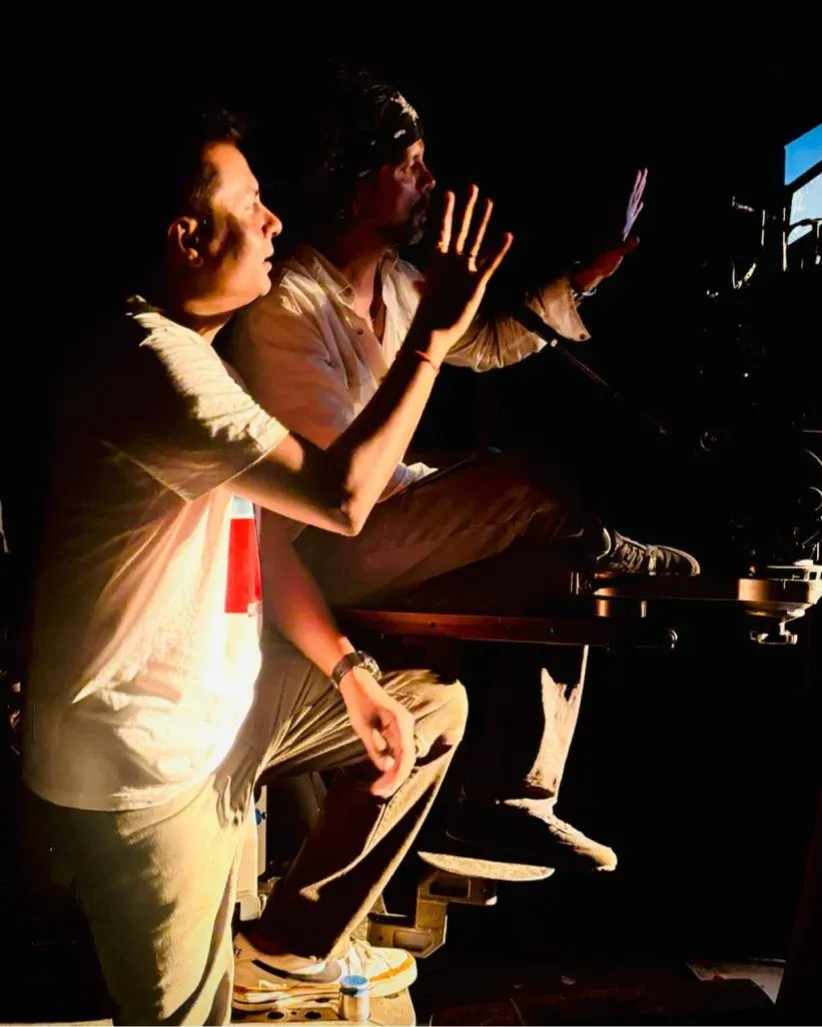
He says talent shows within minutes on set. "I am a director. When the camera rolls and I say action, the whole crew knows within two minutes whether an actor is acting or just reading lines." In his view, there are three kinds of actors: the actor who does exactly what you tell him, the good actor who delivers what the director imagined, and the great actor who takes the scene somewhere the director had not even thought of.
On influencers becoming actors
Abhishek does not share the common scepticism about influencers turning to acting. Many talented performers from small towns never got a chance from the industry, so they built their own identity on Instagram and YouTube. "They became stars because they are talented. If they were not, they would not have those followers." When those faces reached producers and filmmakers, they were cast, and on screen their talent came through. He points to a young influencer cast as Madhuri Dixit's daughter in a recent Suresh Triveni film on Netflix. "If no platform gives you space, and you build your own, I do not think there is anything wrong in that."
What newcomers get wrong
The most common mistake, he says, is focusing on appearance: how they look and what they wear, instead of their craft. "You do not become an actor because you are good-looking. You become one because you have worked for it." The camera, he reminds them, is an eye that catches every flaw and every strength, and unprepared actors get stuck the moment it rolls.
His advice is simple. Whether you come from a small town or a big city, from any family or background, come prepared. Go to an acting school or do something to build your skills. "Confidence is good, but preparation is what the people in this industry will test in two minutes. Opportunities for new actors are plentiful today, in OTT and in films. Success will come when there is real talent."
The cinema he loves
Every filmmaker has a signature, and Abhishek's roots are in the larger-than-life cinema of the 1990s. His favourite filmmaker is the late Mukul Anand, whose films Agneepath, Hum and Khuda Gawah he watched in theatres more times than he can count. He also draws inspiration from Sanjay Leela Bhansali's visual storytelling, S. S. Rajamouli's big canvases with strong emotions, and even Mughal-e-Azam.
He loves the true Hindi film experience: a strong story, songs and entertainment that make an audience feel it was "full paisa vasool." At the same time, he wants to tell stories on serious social issues, especially from the heartland, where he comes from. "Heartland stories and characters are very interesting. I want to show how the story of a small town can also be told on a larger-than-life canvas."
His top choice, he says, will always be films with a cinematic, big-canvas way of telling stories.