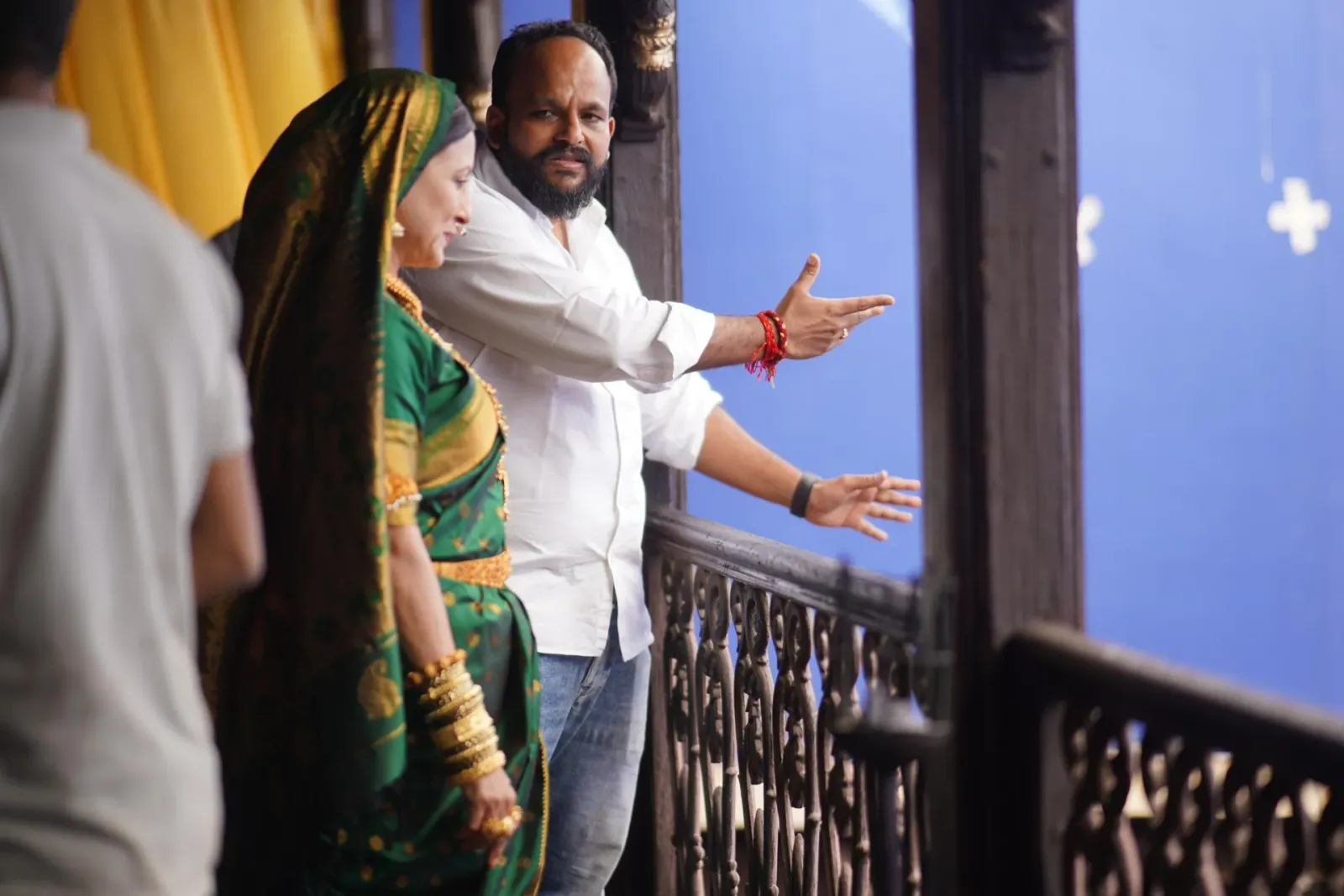
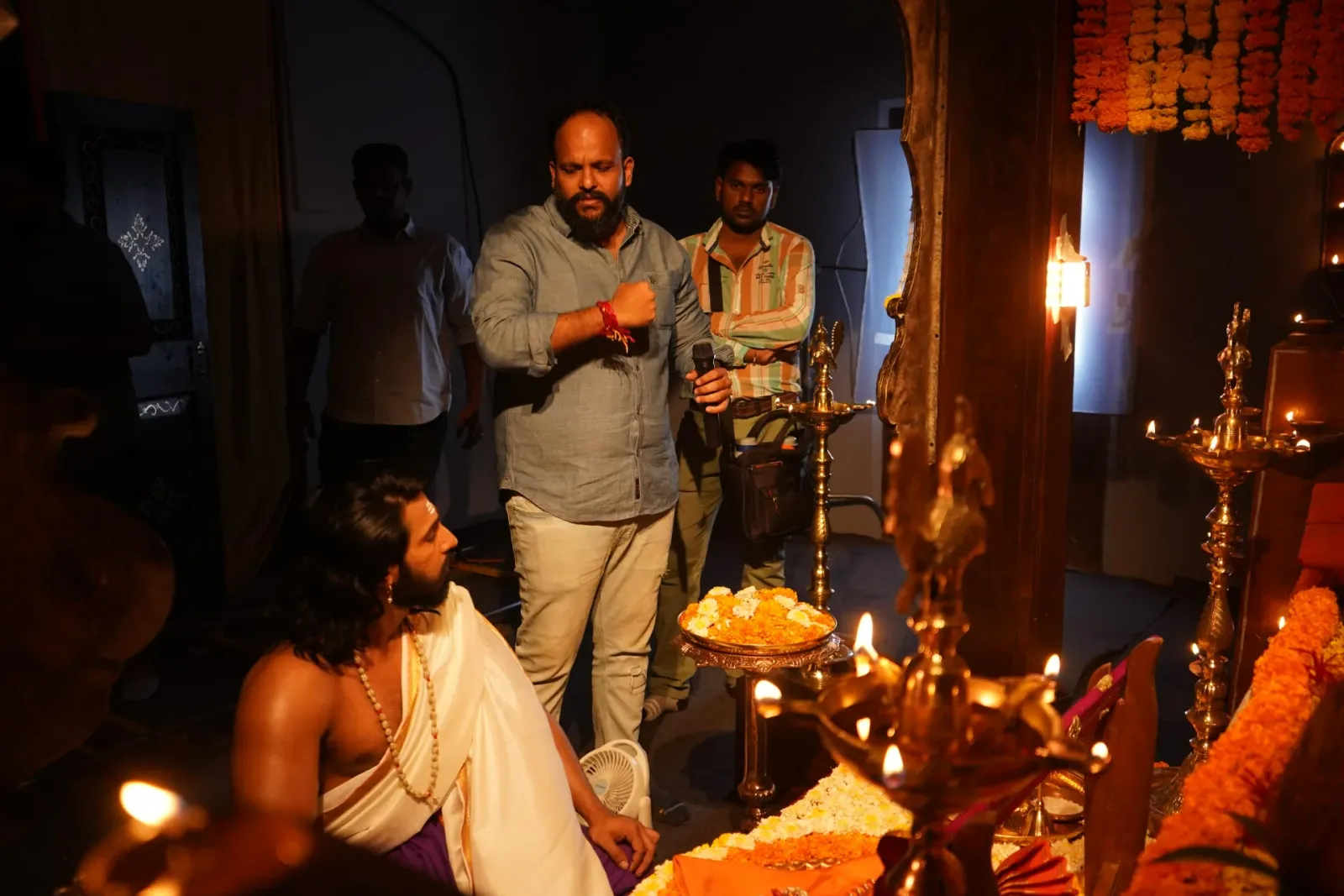
From 14 Years Behind the Scenes to Mounting a Historical Epic: Director Tushar Shelar on Bringing Chhatrapati Sambhaji Maharaj to the Big Screen
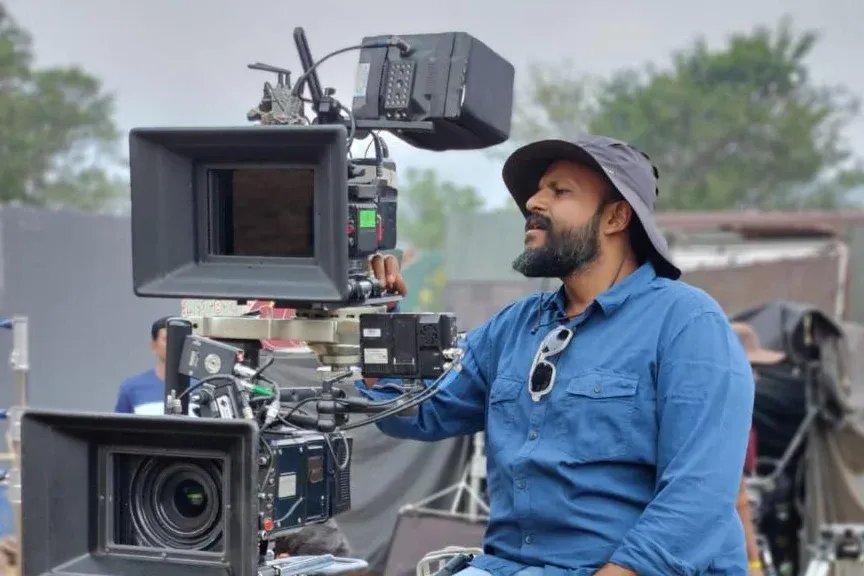
Behind every grand historical spectacle lies years of quiet observation, discipline, and craft. For filmmaker Tushar Vijay Shelar, stepping into the director’s chair with Marathi and Hindi Film Dharmarakshak Mahaveer Chhatrapati Sambhaji Maharaj is the culmination of nearly 14 years spent learning the ropes of filmmaking from the ground up.
From assisting on intimate, slice-of-life dramas to managing the logistical scale of massive period epics, Tushar's journey offers a masterclass in patience and preparation. In an exclusive conversation, the director opens up about his transition from Assistant Director to independent filmmaker, the weight of historical responsibility, and the future of big-budget Marathi cinema.
A 14-Year Film School Behind the Camera
Before helming his own feature, Tushar worked across a remarkably diverse slate of projects—ranging from the critically acclaimed Killa and the romance Ashi Hi Aashiqui to historical spectacles like Tanhaji: The Unsung Warrior and Sarsenapati Hambirrao and Working on Aho Vikramarka worked as Co-Director. It was Telugu and Marathi Film which was dubbed in all languages. Beyond historical dramas, he also worked on Deool Band, a film rooted in spirituality and devotion—further showcasing his versatility across distinct genres. According to Shelar, every genre added a distinct layer to his creative sensibility.
"Working on a film like Killa helped me understand the beauty of simplicity, realism, and human emotions. Ashi Hi Aashiqui gave me a deeper understanding of romance, relationships, and emotional storytelling, while working on large-scale films like Tanhaji and Sarsenapati Hambirrao exposed me to the magnitude of historical filmmaking, its technical complexities, visual grandeur, and large-scale execution."
Despite the contrast in budgets and visual scale, those years on set taught him one unifying truth: "The scale of a film may change, but the foundation of good cinema remains the same—strong storytelling, believable characters, and emotional connect with the audience."
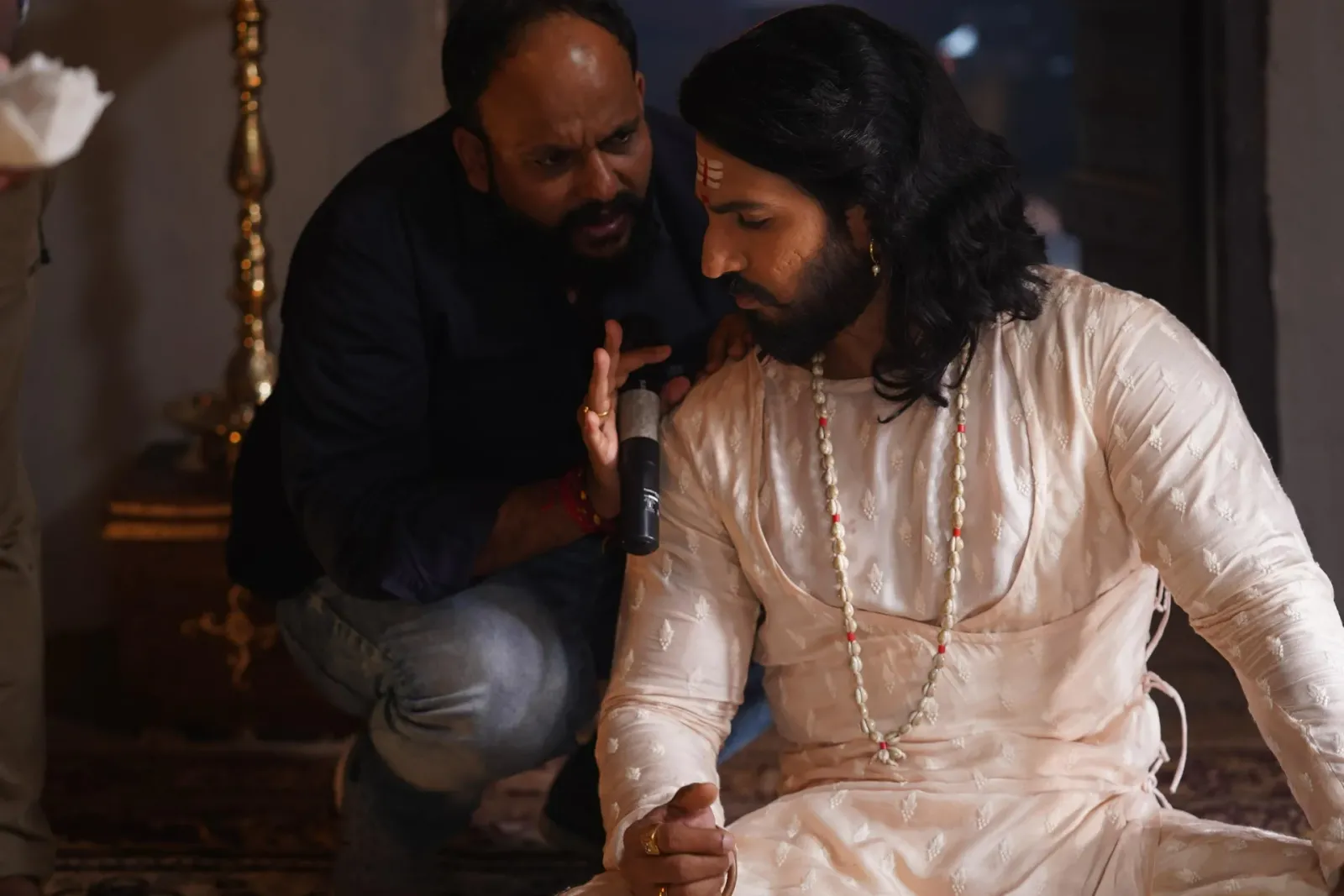
For Tushar, moving into direction wasn't about hitting a specific milestone or completing a checklist of films—it was about finding his own voice. "After spending nearly 14 years in the industry, I learned how to handle actors, manage large crews, solve on-set challenges, and translate a director’s vision into reality," he explains. "Becoming an independent director was not about moving away from being an assistant; it was about taking everything I had learned and accepting the responsibility of leading an entire film."
The Weight of History and the Human Core
Choosing a historical epic on Chhatrapati Sambhaji Maharaj for a directorial debut carries immense cultural and emotional expectations. For Him, the primary challenge lay in balancing strict historical authenticity with compelling cinematic drama.
"When you are portraying a personality of such extraordinary courage, intelligence, and sacrifice, you cannot afford to treat history casually," he notes. "My approach was to ensure that cinematic liberty never compromised the dignity of the historical personality or the essential truth of the events."
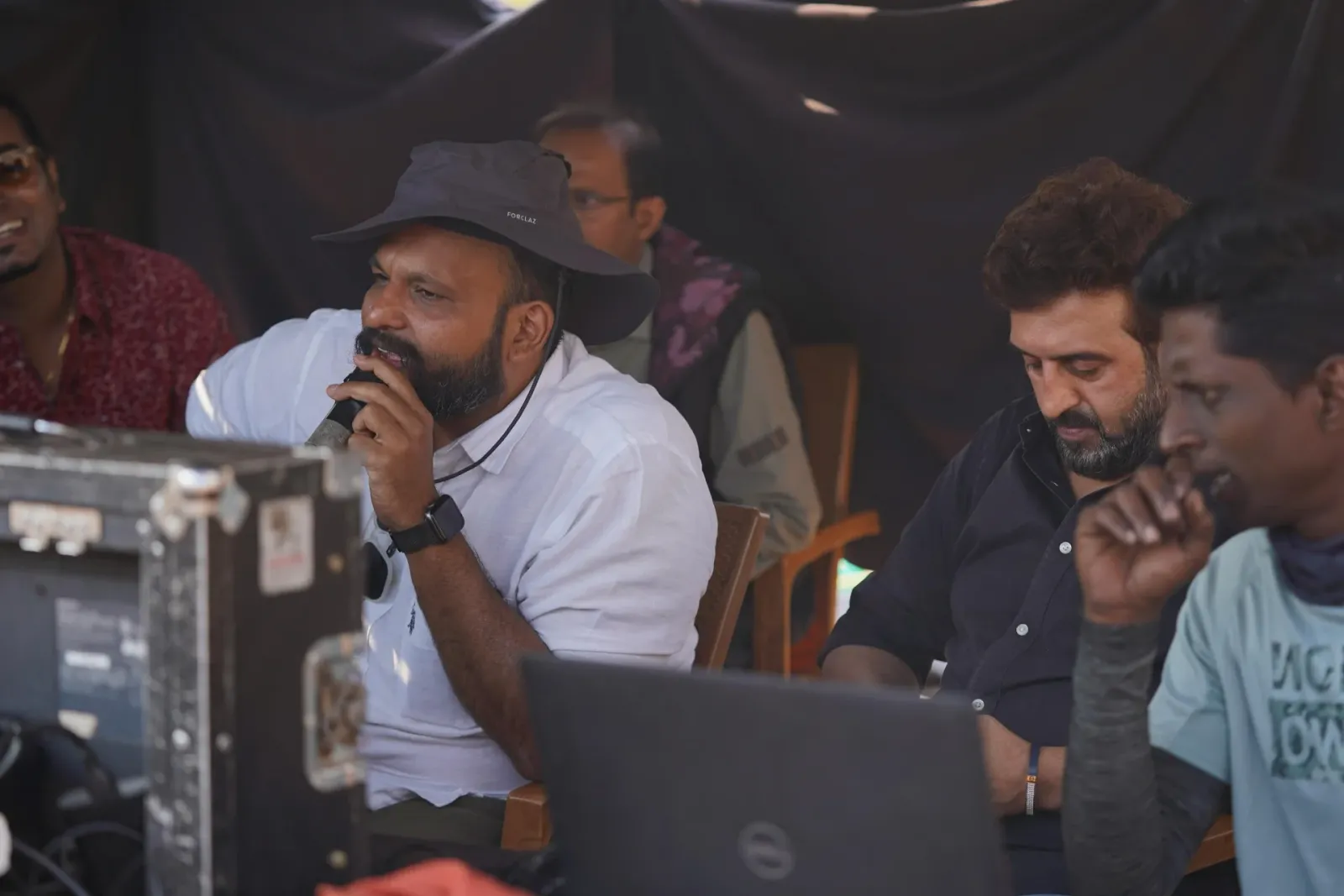
To build a convincing period world, Tushar and his team immersed themselves in extensive groundwork—studying historical literature, political contexts, regional dialects, architecture, military strategies, and period-accurate weaponry and costumes. Yet, he emphasizes that research must translate into lived behavior on screen rather than remaining confined to textbooks.
More importantly, He was determined to look beyond battlefield valor and highlight the man behind the warrior. "Beyond the battles and victories, there was a human being who experienced relationships, responsibilities, pain, betrayal, and immense personal sacrifice," says Tushar. "If the audience connects emotionally with the character, every battle becomes more meaningful. The action then stops being just spectacle; it becomes a reflection of what the character is fighting for."
Casting Beyond Appearances and Keeping Emotions Grounded
To bring these iconic figures to life, He assembled an ensemble featuring Thakur Anoop Singh, Amruta Khanvilkar, and Pradeep Rawat. When casting historical personalities who already hold a revered place in public memory, Tushar looked far beyond physical resemblance.
"Screen presence, body language, emotional depth, dedication, and the ability to understand the character were equally important. He says, noting how Thakur Anoop Singh brought immense physicality and intensity to the role, adding that he is an exceptionally hardworking and dedicated actor. Amruta Khanvilkar brought grace and emotional depth, and Pradeep Rawat lent commanding screen presence. "Ultimately, casting is about finding the right actor who can disappear into the character rather than simply look like the character."
Period dramas also carry the constant risk of tipping into overly theatrical performances due to formal Marathi diction and heavy costumes. Tushar countered this by anchoring every scene in internal motivation rather than external delivery. "I would often discuss the character’s circumstances and state of mind before approaching a scene," he explains. "The costume and dialogue create the period, but the emotions make the character human."
The Future of Large-Scale Marathi Cinema
Looking at the broader industry landscape, Tushar is optimistic about the appetite for ambitious regional storytelling. While acknowledging that mounting big-budget films in Marathi comes with distinct financial realities compared to mainstream Hindi cinema, he believes strong content paired with smart distribution can break traditional boundaries.
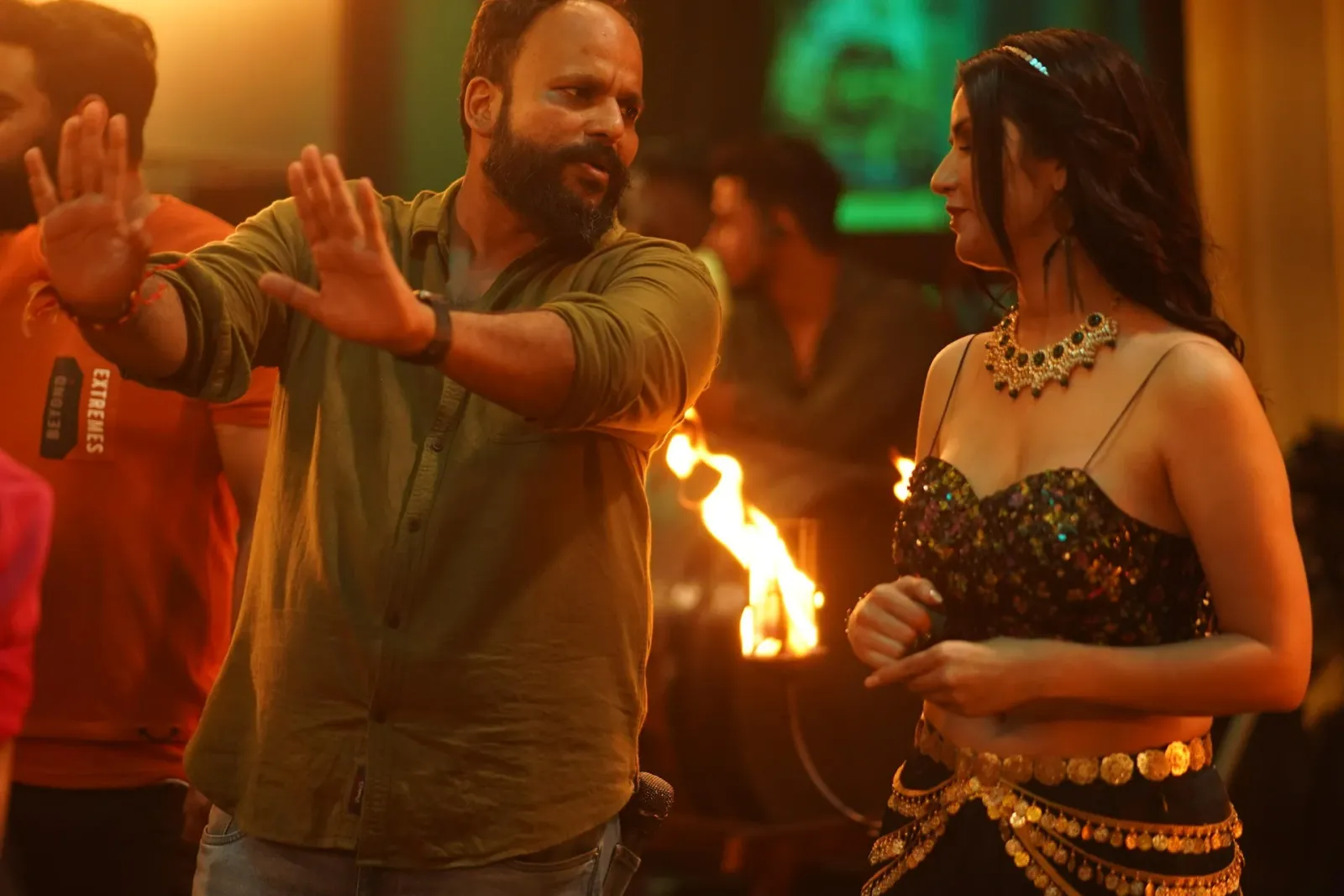
"Marathi cinema is at a very exciting stage," Tushar says, "We have extraordinary material in our history and culture that can be presented with international-level technical quality. We should dream bigger, experiment with genres, and create films that travel beyond Maharashtra to audiences across India and internationally."
Tushar’s Advice to Aspiring Filmmakers
For young assistant directors currently working long hours on sets and waiting for their big break, Tushar offers a simple shift in mindset:
"Never consider your time as an assistant director a waiting period before becoming a director. Consider it your actual film school. Observe everything—camera, performances, screenplay, editing, budgeting, and on-set problem-solving. Don’t just dream of becoming a director; start thinking, observing, and behaving like a filmmaker from the very first day on set.