

Siddharttha Vankar: The Storyteller Who Keeps Reinventing Himself
Creative director, showrunner, author, and now a jewellery and skincare entrepreneur. He talks about trolls, responsibility, and why he writes one page a day.
For most viewers, Siddharttha Vankar is a name they never see on screen, yet his stories have run in their living rooms for years. As creative director and showrunner, he has shaped some of Indian television's longest-running family dramas. Today he is also the author of three books, with a fourth due in April. We caught up with him by phone.

What viewers see, and what creators mean
We began with a puzzle. A show may be built around an overweight protagonist, yet audiences end up talking about the mother-in-law and the family drama. Does that bother a creator?
Not at all, he says. Such elements were never meant to be the headline. They were there to normalise things: that a woman with wrinkles beside a fit, young-looking husband is perfectly fine, and that people should accept ageing. Viewers noticed, he says, but the primary story was always the family. The details simply made it more relevant and universal for Indian audiences.
Balika Vadhu and the social-cause show
He is candid that he joined Balika Vadhu after it was conceived. As he understands it, the idea had been with the original team for a long time, and when they moved to Colors the channel wanted a differentiator, a show built on a social cause. That decision began the wave of social-message shows on the channel.
Keeping a show fresh for thousands of episodes
The credit, he says, goes first to the writers. He gives them direction, and current affairs often feed the story, because relevance makes viewers relate. Since the pandemic, with audiences used to very real content online, television has had to become more real too.

A hardcore feminist, on and off screen
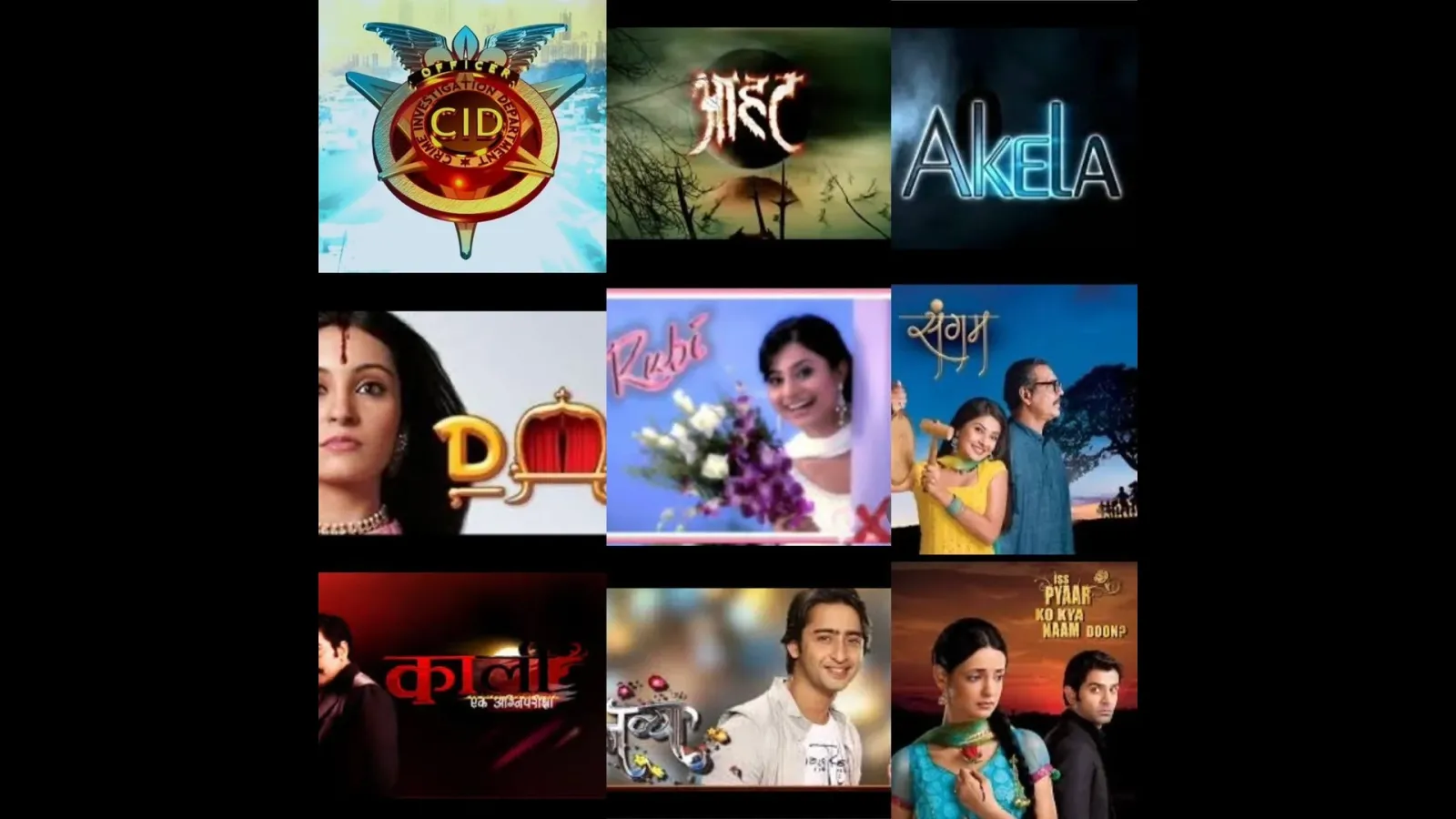
Most of his shows are women-led, and that is a choice. He calls himself a hardcore feminist and says all his books are written from a woman's point of view. Too much earlier content, he feels, framed a woman's struggle around the absence of a man. His characters are meant to stand on their own: Tulsi was more powerful than Mihir, Sai more than Virat, Anandi more than Jagya or Shiv.
From diary to novelist
His books began with a habit. He has written a diary every day since his college years and wanted to turn those years into something his friends could keep. A friend, Amar, read the draft and told him to wrap a love story around it. That became Love at Manipal, begun in 2005. The characters in it are his real friends, he says, but the four central characters and their story are fiction. Then came a long writer's block, broken by an idea that struck him in the washroom. He finished the book in about a month and a half, during a less hectic period at Star Plus.
His next book took shape during the four months of lockdown. While writing Sitara, he learned that he did not need a laptop. He writes on his phone, in the gaps between calls and travel, aiming for a page a day.
The 90s, and the unsolved mystery
Why go back to the 90s after years of writing current affairs? Because of what he calls the biggest unresolved mystery of Bollywood, one that fascinated him while he grew up in a small town. He researched the working patterns and industry standards of the early 90s at length before writing Sitara: The Fallen Star, which went on to win Best Mystery & Thriller Book (Voting) at the 2024 Salis Mania Choice Awards. Talks about a screen adaptation are, he says, close to the final stage.
Why mythology
His turn to mythology is no sudden pivot. He has loved it since childhood, when his father told him bedtime stories. At Star Plus, a mentor taught him how to understand mythology, and he later wrote dialogues for mythological shows. While writing for a small show around 2015-16, he began researching the Shakti Peeths, which led to Shakti: The Sacred Feminine.
His next book, due in April, is about Devayani, daughter of Shukracharya, who was betrayed in love and later married Yayati. He calls hers the story at the root of the Mahabharata, and one people have overlooked. It also brings him back to a point he returns to often: creators should be careful about what they dramatise and which characters they turn into caricatures.
TV or book?
He decides by the rules of the medium. Television has limits on what it can show, and given its reach, he feels it should keep them. Sitara and Love at Manipal were always meant for the novel, and possibly later for film or OTT.
Trolled, and staying true to the story
Social media has not always been kind. During Ghum Hai Kisikey Pyaar Meiin, he was trolled for the devar-bhabhi track, and the abuse extended to his family, including his two-month-old daughter. He admits he was badly affected and wanted to hit back. Then he asked himself whether that was the reaction people wanted. He was being honest to the story, he decided, and honesty meant not shying away from it. The cast, he adds, stood up and told the trolls to stop.
The day that changed his direction
The defining moment of his career, he says, was the day he left the security of a channel job to freelance. His then boss told him that from now on he was a creative person, to stay open to feedback and criticism, and yet to follow his gut. "Your gut is never wrong," he recalls.
A love story of his own
His marriage was arranged. His proposal had been turned down twice by the family of the girl he would eventually marry, a computer science engineer, because her parents wanted a partner from a field they understood. His mother then enrolled him on a matrimonial site, and he told her he would give it six months, after which he would take the money and do a film-making course abroad. Months later, during a party for a landmark episode count of a show, he stepped out and called a girl from the portal. They laughed through the call and kept talking for about a month. They met in Delhi on 7 October, had their roka on the 27th, got engaged on 27 November, and married on 6 February.

What's next: jewellery and skincare
He does not want to become a producer, because he wants to keep the spring in his step every morning, and responsibility for money and people could take it away. Instead, he is reinventing himself. He believes his shelf life as a showrunner is perhaps five or six years, because newer, younger and cheaper talent keeps arriving, so he is diversifying.
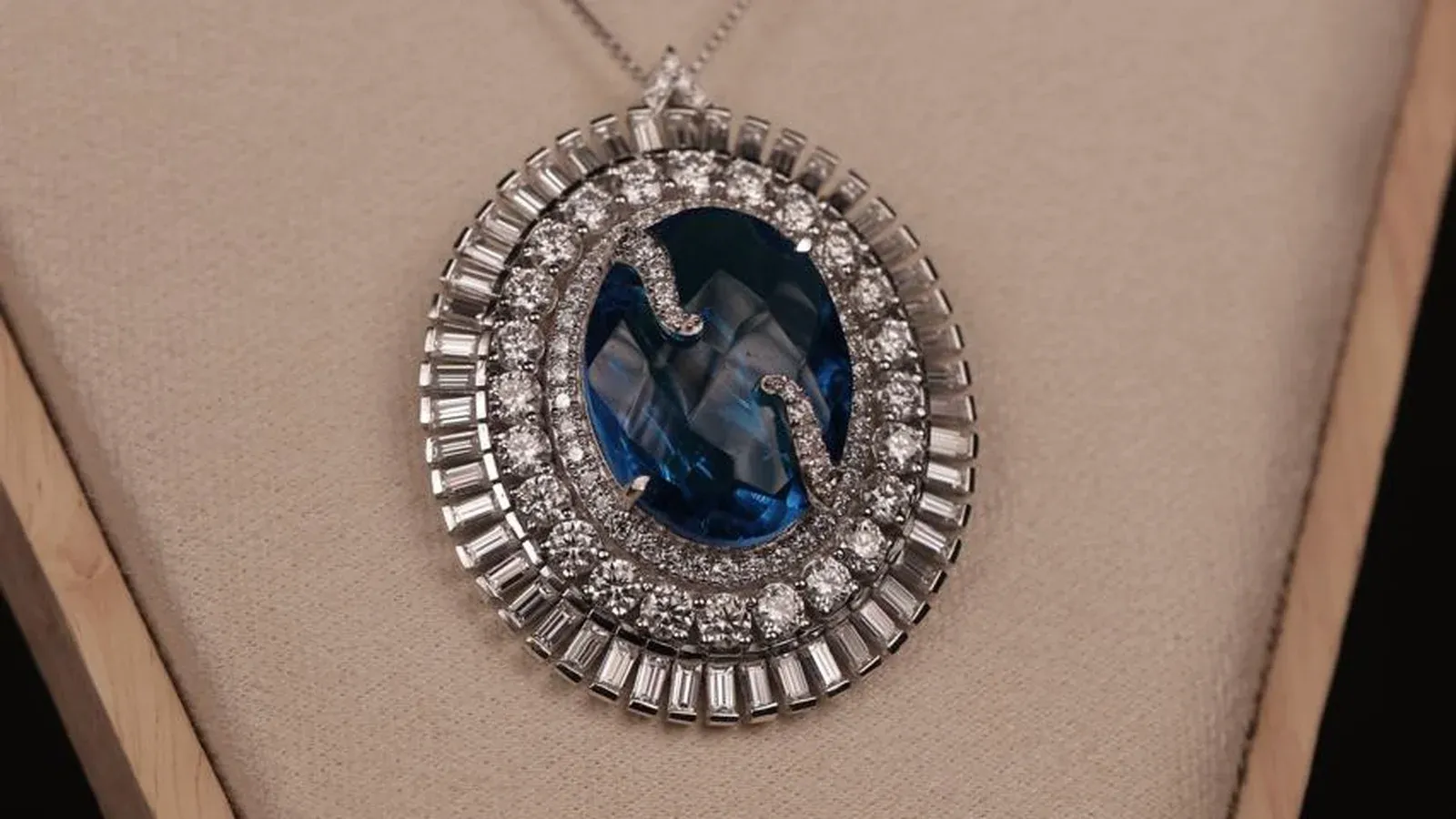
At 40 he took a course in jewellery design, and he is launching his own line, anttiqua. He is also building a skincare brand for Indian skin, with R&D support from his scientist parents. Both are expected to launch officially next year.
His advice to writers
Write one page a day, he says. Do not worry about structure or order. If you are on chapter one and thinking about chapter ten, write chapter ten. By the end of the year you will have a book. "The moment you get into the rhythm of writing, the characters start speaking to you," he says.

Photos: courtesy Siddharttha Vankar