
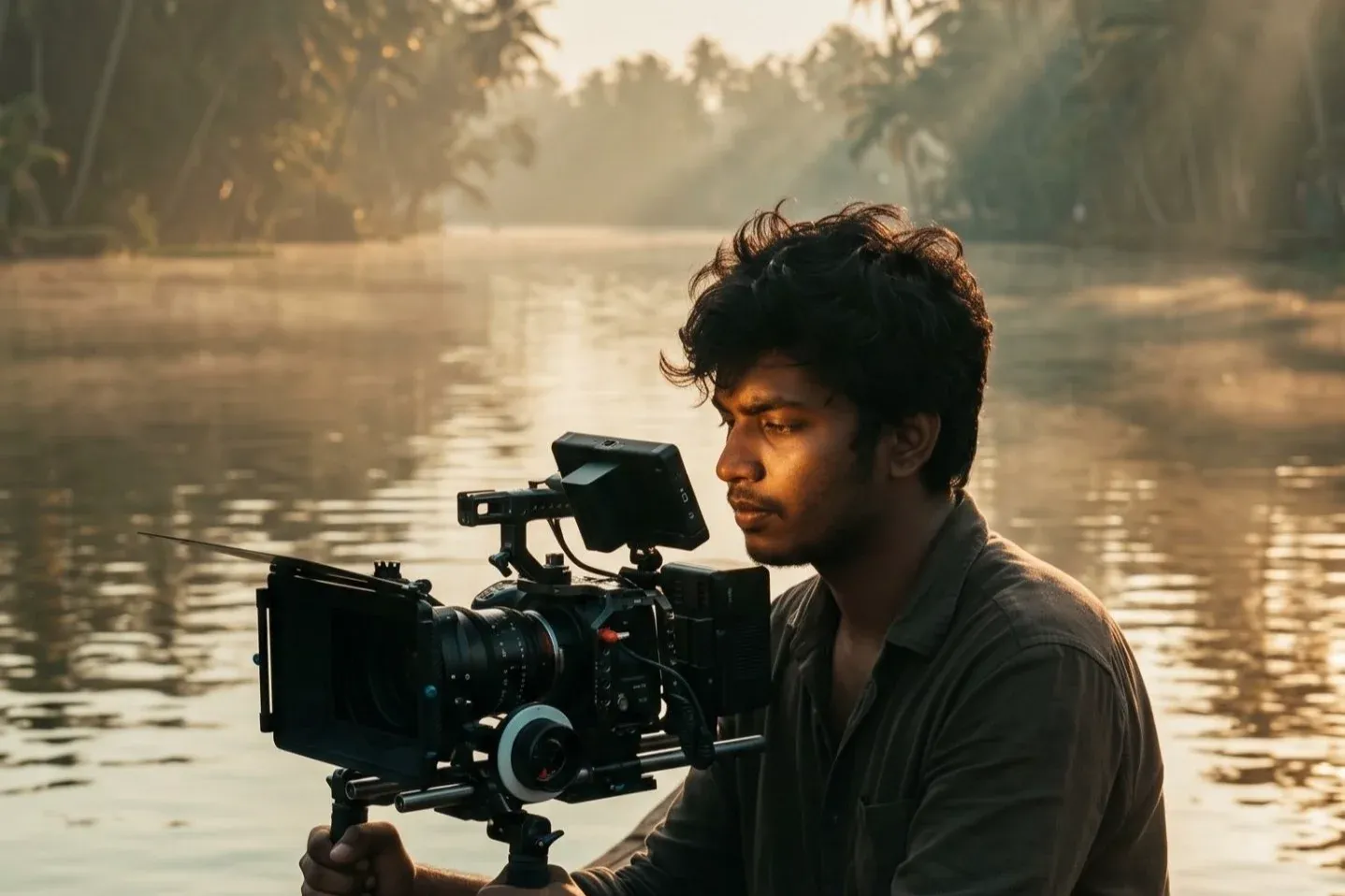
How Modern Cinematographers Are Shaping Regional Cinema
For decades, mainstream Indian cinema was often defined by glittering studio sets, predictable lighting and formulas built for mass appeal. Over the last few years, a quiet revolution has been unfolding in regional film industries, from the earthy realism of Marathi and Malayalam cinema to the sweeping, textured canvases of Tamil and Telugu storytelling.
At the heart of this change are modern cinematographers. They are no longer just technicians capturing a director's vision. They are co-authors of the story, using light, shadow and lens choice to speak a film's unspoken emotional language.
1. Geography as a Character
One of the biggest shifts in regional cinema is how landscapes are shot. Instead of swapping local backdrops for generic studio sets, today's Directors of Photography (DPs) treat geography as a living character.
Raw textures of rural and small-town India: Whether it is the humid backwaters of Kerala, the dusty red soil of Rayalaseema or the rugged hills of Maharashtra, cinematographers are leaning on natural light, practical shadows and earthy colour palettes.
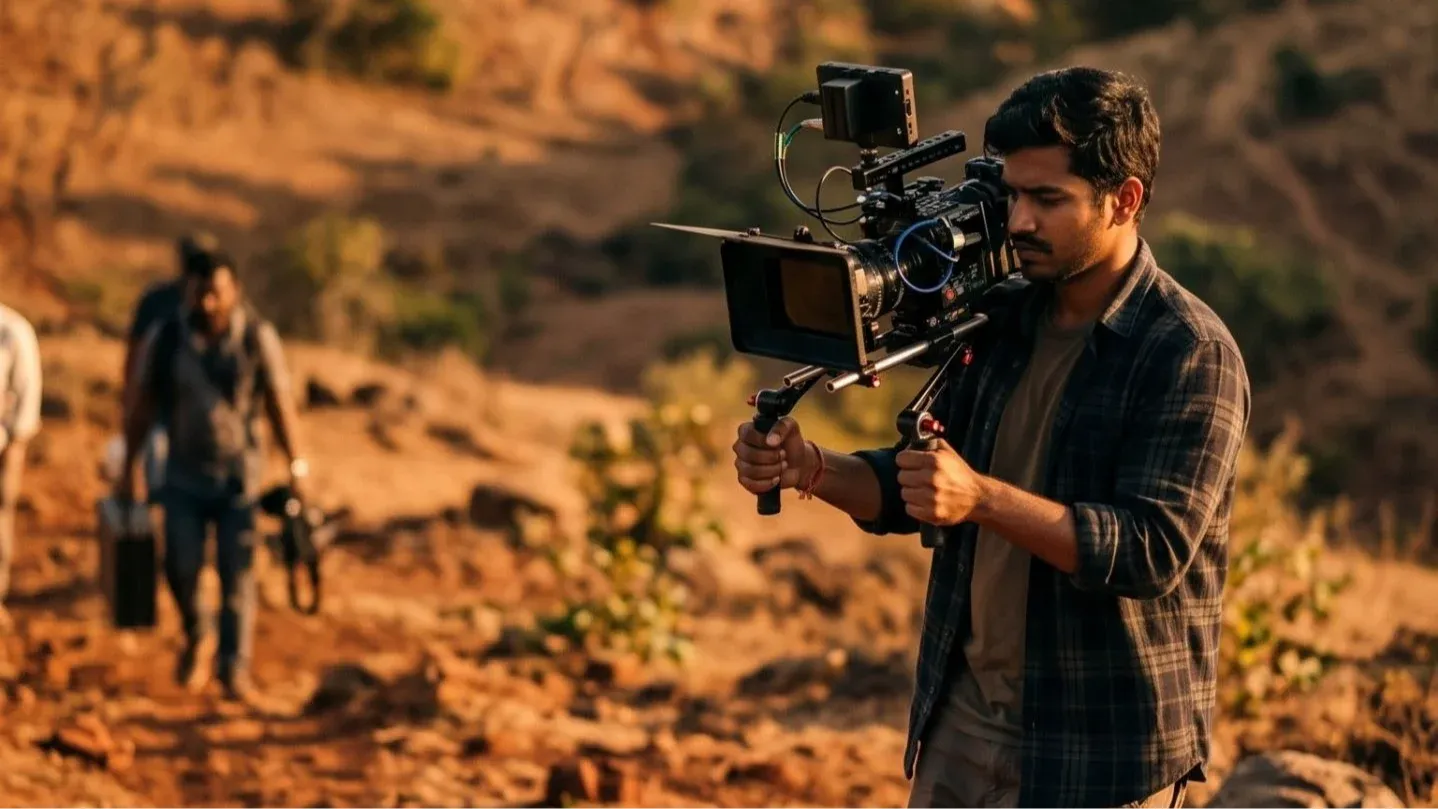
Mood over gloss: Rather than brightening every frame, many DPs use low-key lighting and muted tones to reflect the real lives of the characters and pull viewers into the story.
2. High-End Craft on Agile Budgets
Better digital cinema cameras, stabilisation rigs and colour-grading software have levelled the playing field. Regional filmmakers can now reach a high visual standard without huge budgets.
Agile, immersive framing: Lightweight camera setups let cinematographers move through narrow alleys, crowded markets and family homes without disturbing the actors' raw performances.
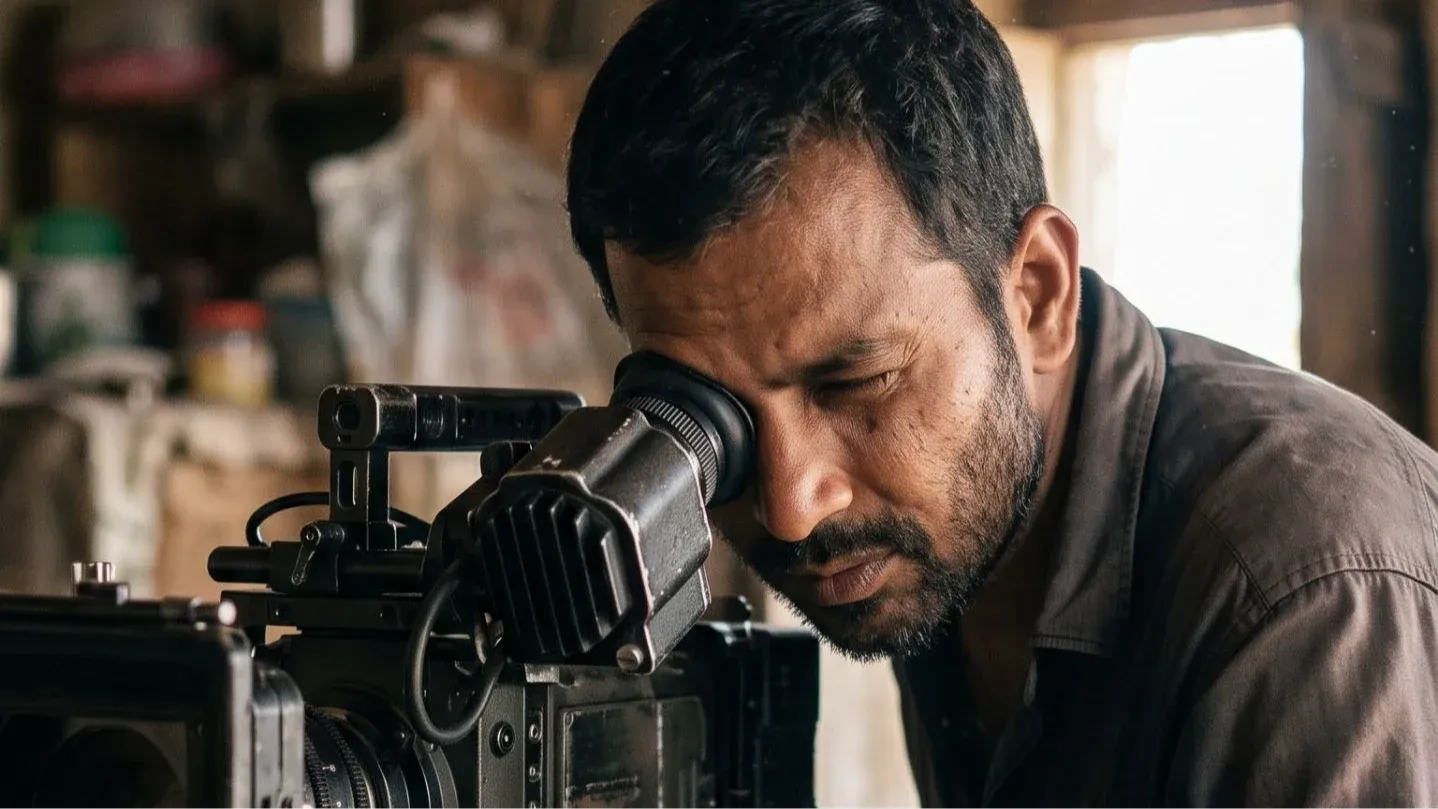
The colourist partnership: Cinematography now extends into the colour-grading suite. Colour becomes a storytelling tool: cool blues for isolation, warm golden tones for nostalgia, setting the emotional mood before a line of dialogue is spoken.
3. The DP as a Creative Partner
In today's regional cinema, the gap between director and cinematographer has narrowed into a close creative partnership.
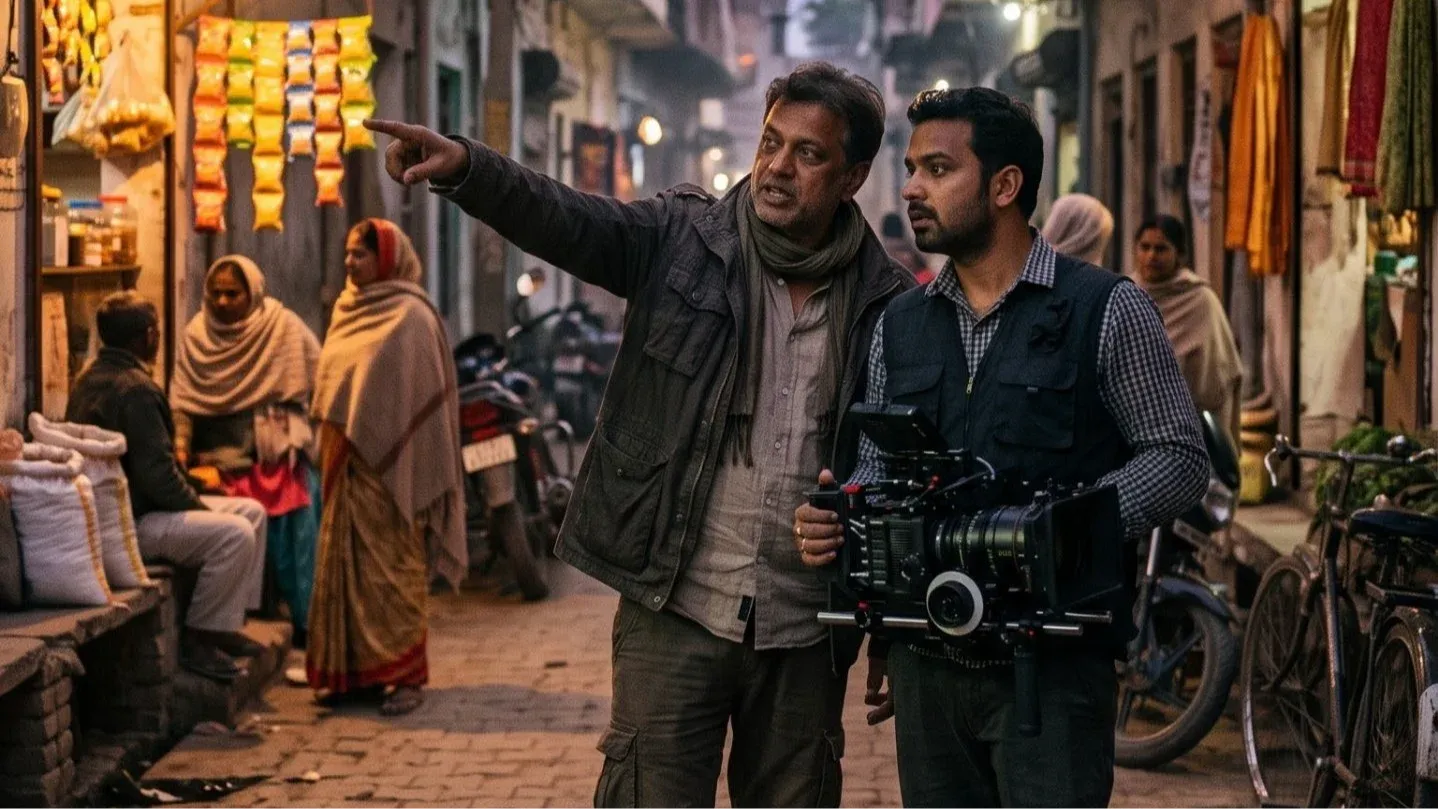
Visual economy: Great cinematography is not about making a frame look pretty. Every angle, pan and focal length should serve the emotional arc of the scene. When a camera lingers on an actor's silent gaze or follows a chaotic action sequence with precision, it is doing the heavy lifting of storytelling.
A good example is the Malayalam film Jallikattu (2019), which India sent as its official entry to the Oscars. Director Lijo Jose Pellissery has said he wanted the film to look as wild and raw as possible, and Girish Gangadharan's cinematography was singled out for praise.
As regional films reach bigger audiences in India and abroad, the artists behind the camera are finally getting their due. Extraordinary visual stories can come from anywhere that authentic stories are told.
Celebrate and Showcase the Art of Cinema
Create your zero-commission profile on Stars N Celebs (starsncelebs.in), showcase your showreel and connect with the people and projects shaping Indian entertainment.
Whether you are a cinematographer, an indie director, a production designer or an emerging actor, your work deserves a professional home that matches your ambition.