
Free Products, Tax and Labels: The Brand-Deal Rules Every Artist Should Know
Gifted products, tax and ad labels used to be someone else's problem. In India's creator economy, they are now part of the job.
The shift
Kofluence's 2026 report found about 15 per cent of creators are now registered as business entities or GST individuals, and expects the share to rise. Larger brands increasingly want creators to have formal compliance, documented disclosures and tax systems in place before a campaign is approved.
Free products are not always free
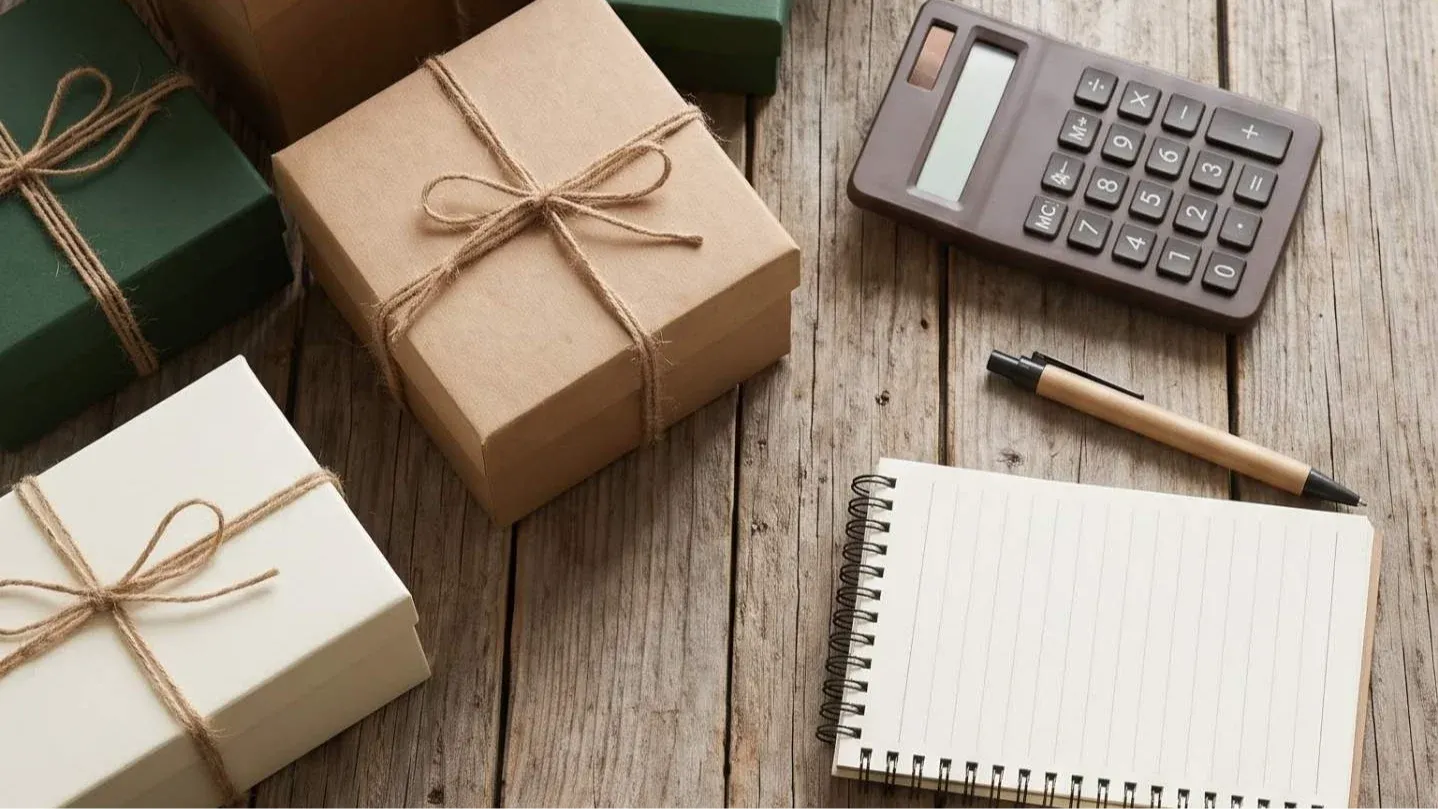
Under Section 194R, in force since 1 July 2022, the brand deducts 10 per cent TDS when benefits given to you exceed ₹20,000 in a financial year. Products you keep count as a benefit; products you return do not. For example, a ₹30,000 flight and a ₹20,000 stay add up to ₹50,000, and the brand deducts ₹5,000.
Labels matter
In FY 2024–25, 14 per cent of the ads ASCI processed were linked to influencer violations. About 57 per cent of flagged posts had no label at all, and 43 per cent hid it in hashtags. Put the label at the start of the post, not the end.

Get it in writing
A good influencer agreement spells out who handles ASCI disclosure, payment and TDS, content licence terms, exclusivity and how disputes are settled. If a brand deal is only a chat message, ask for it in writing before you shoot.

Your five-point checklist
Note every gift. Keep a list of products and what they cost.
Get it in writing. Fee, deliverables, usage rights and payment date.
Label clearly. Start of the post, every time.
Ask a CA. GST and TDS rules depend on your income.
Keep one brand-ready page. Work, handles and contact details in one place.
Brands choose artists who look professional on paper too. Make your work easy to find at starsncelebs.in/YourName.
This is general information, not tax or legal advice. Figures are from Kofluence, ASCI-based reporting by BDO, and tax guides, as of October 2026. Images are AI-generated illustrations.